How to retain frontline workers
By: Tim Schieffer
What you need to know
- Employee engagement strategies for frontline workers need to address their specific challenges, from limited face time with peers to decentralized communication.
- A recognition culture promotes a sense of purpose and appreciation, driving productivity and engagement for deskless team members.
- Career growth opportunities send a message to frontline workers that their organization values them and will invest in their development.
![frontline employee contractor working with homeowner client]()
Engaging frontline workers is a cultural challenge. It’s top of mind for HR leaders but hard to solve. Often referred to as deskless workers, frontline teams can feel disconnected from the organization’s mission, core values and even peers. Without a unified employee engagement strategy, it’s no surprise that frontline employees disengage and voluntarily leave.
Understanding how to retain frontline workers starts with focusing on the unique challenges deskless employees face, from their needs to how they communicate and collaborate best. The best employee engagement strategies support frontline teams while aligning with the organization’s overall mission and values.
The deskless worker reality
Deskless employees make up 70% of the global workforce, and 75% of frontline workers feel burned out, leading to increased turnover and a diminished company culture.
Disengaged teams lead to retention issues and decreasing employee morale and overall company culture, weighing organizations down with hiring costs, inconsistent productivity and loss of institutional knowledge.
Challenges engaging deskless teams
When we think of employee engagement, many default to thinking of employees at a desk or working from home, yet frontline workers make up most of the global workforce across industries like healthcare, grocery and retail, transportation and public safety.
As consumers, we interact with frontline workers every day. These deskless team members are the first point of contact for the public when interacting with the brand. Frontline teams can offer invaluable insights into how a brand’s products or services resonate with customers.
“As we think about our frontline people, that's what the brand is, that's what the culture is,” said Mark Hickman, CHRO of FirstBank. He joined ITA Group’s “Love your people” podcast to talk about engagement strategies for frontline workers.
“It's all about what our frontline employees and our associates bring to the table and how they take care of our customers and serve our community,” he added.
By engaging frontline teams, organizations can bolster company culture, grow their employer brand and retain valuable institutional knowledge.
Yet direct communication and a sense of belonging are challenges many frontline teams face. Deskless employees are separated from corporate offices and don’t regularly access emails. They work asynchronously across shifts and job sites, leaving deskless teams with fewer opportunities to meaningfully connect.
Understanding how to retain frontline employees starts with addressing these unique challenges and aligning an employee engagement strategy that meets their needs.
5 frontline employee engagement strategies
Employee engagement best practices serve as a foundation for retaining frontline workers, but refine your ideas based on what actually works with your teams and their environment.
1. Prioritize a recognition culture
Consistent recognition promotes a sense of purpose, celebrates teamwork and increases individual engagement. However, consistent, in-person recognition isn’t always a viable option for frontline teams. Deskless employees often report across different shifts or locations, making it difficult to maintain a collective touchpoint.
Recognition tools like ITA Group’s Cooleaf engagement platform act as a centralized space for sharing wins and building employee experience. Available on mobile, frontline managers or peers can easily issue recognition with a personalized “thank you,” making team members better informed about milestones and wins.
Recognition impacts how to retain frontline workers. Regular recognition shows teams value their people, instilling a deeper sense of purpose at work.
Related: How to build a recognition program that actually drives retention
2. Invest in learning and development opportunities
Career growth opportunities are another way to retain frontline workers. Initiatives like skill training, mentorships or leadership development show employees that your organization values their growth.
Example: An organization with 900 locations across the U.S. saw sales and customer satisfaction scores begin to decline. Working with ITA Group, the team launched a new employee training program with gamified training, certification badges and employee rewards and incentives. As a result, their staff began raising Net Promoter scores to 9.0 out of 10.0.
Organizations that invest in employee learning earn 11% greater profitability and are twice as likely to retain team members. Learning and development don’t just mean offering resources. It’s imperative to business and employee experience.
Related: Employee training motivates sales and service teams to boost customer satisfaction scores
3. Invite employee feedback
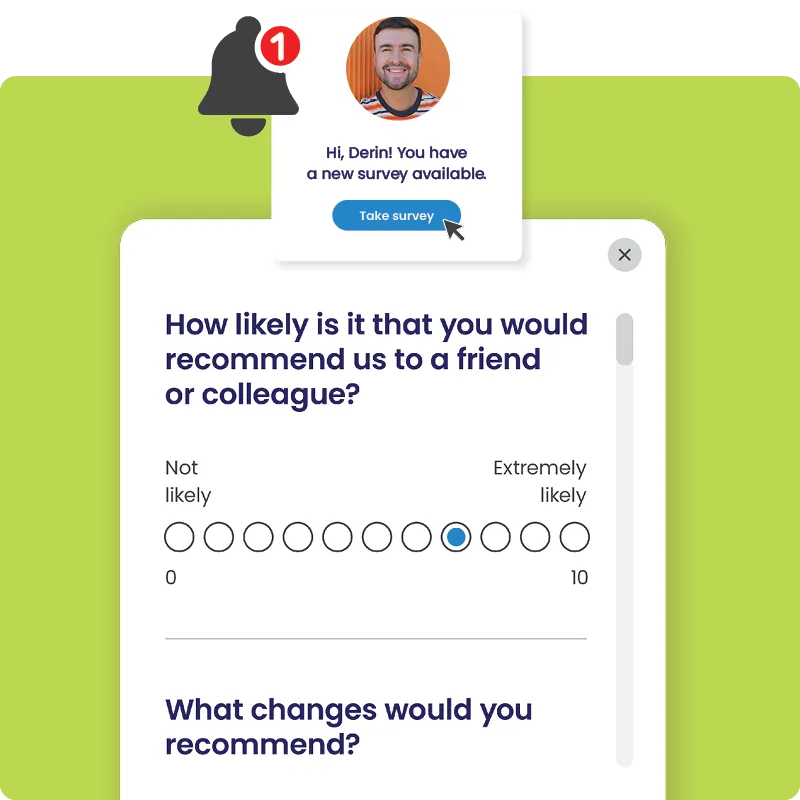 Gather feedback to develop your frontline employee retention strategy. Organizations use interviews and employee sentiment surveys to gauge satisfaction and discover areas for improvement. When businesses act on employee feedback, they show they value employees' voices and want to offer relevant resources and benefits.
Example: Telecom brand Breezeline wanted to increase frontline employee retention and engage talent. Using employee feedback, their HR team saw the importance of milestone celebrations, peer-to-peer and manager recognitions. In response, they launched new recognition and quarterly employee engagement activities. As a result, they saw a 17% higher retention rate with new hires who received recognition within their first 90 days.
Regularly collect feedback using short, pulse surveys. An engagement hub like ITA Group’s Cooleaf engagement platform makes it easier for team members to respond on mobile while enabling managers to quickly collect data insights.
4. Engage management
Messaging frontline workers starts with engaging management. Frontline managers are your direct connection to deskless employees and account for 70% of employee engagement. When leadership is engaged, employee experience benefits. When supervisors feel involved, they’re more likely to champion company culture and values.
Mike McFall, Co-CEO and Co-Founder of Biggby Coffee, shared with ITA Group’s "Love your people” podcast how Biggby engages franchise owners to better engage their employees. “We facilitate them coming together on a monthly basis,” McFall explained. “We're able to bring them our content, our values and the ways that we think about the business. Then they take that into their world.”
“More importantly, they work together as a forum. They learn from each other's best practices as well as ours,” he added. “The franchise owner is independent. And our job is to support them in building their business.”
Leadership development opportunities, conversation guides or forums help managers grow their leadership and communication skills. By helping managers feel empowered, organizations help them build deeper employee relationships and confidence.
5. Align employer brand messaging
One of the greatest challenges faced by frontline workers is feeling a sense of purpose and unity at work. Frontline teams are often divided by shift schedules or locations. They likely don’t have mobile access or be able to attend in-person events. As a result, many deskless employees feel disconnected from company core values, other departments and the brand as a whole.
Example: ITA Group worked with a construction management company that needed a way to unify its company culture to motivate and attract talent. We developed a new employee value proposition (EVP) to help team members feel part of the organization’s success. The campaign included service vehicle decals, shirts and hard hat years-of-service stickers to create a visible, unifying message.
The construction management company encouraged employees to connect their role and responsibilities to their values through recognition, mobile games and events. It kept key messages top of mind and helped team members internalize core values and their EVP.
Related: Tapping into work realities to better motivate and attract talent
Retain frontline workers with engagement strategies designed by experts
Organizations need an agile approach when developing employee engagement strategies for frontline teams. By understanding the challenges your frontline employees face each day with communication and connection, your HR team can customize a program that helps them feel recognized, encouraged to grow and motivated to share feedback.
By creating a workplace where deskless teams feel aligned and engaged, you’re more likely to retain valuable employees, which can positively impact employee productivity, motivation and business.
If you’re looking for how to retain frontline employees through your work culture, check out ITA Group’s comprehensive approach to employee experience in our ultimate guide.
![View ITA Group's ultimate guide to employee engagement]()